Domain and/or website package

IdealSurvival.com domain is available for acquisition

Make an Offer

Vehicle carry

Vehicle Roadside Emergency Kit: What to Keep in Your Car

A practical vehicle loadout for dead batteries, flat tires, storm delays, low visibility, and the awkward hour when you need to fix, wait, signal, or improvise from the shoulder.

Key takeaways

The short version

Quick reference. Full reasoning, picks, and trade-offs are in the sections below.

  • Vehicle carry is its own preparedness layer — most weather emergencies and breakdowns happen on the road.
  • Keep a jump starter, tire inflator, reflective triangles, and basic first aid year-round.
  • Add winter items (blanket, hand warmers, traction aids, ice scraper) October through March.
  • Keep at least half a tank of fuel in winter and during severe-weather forecasts.
  • Photograph your VIN, registration, and insurance card and store them in an offline phone folder.
01

Signal

Reflective gear, a headlamp, whistle, and visible triangles matter before tools come out. Being seen is part of the repair.

02

Fix

The most common roadside wins are boring: jump a battery, air a tire, cut cord, tighten a clamp, or light a work area without draining your phone.

03

Wait

Competitor and agency checklists agree on water, snacks, warmth, first aid, and phone power because many car emergencies become long waits.

From the field

The Vehicle Kit Problem Is Usually a Rotation Problem

Most people who have vehicle kits got them once and then forgot about them. The jump pack that worked three years ago now barely holds a charge. The water pouches expired. The power bank is at 4% because it has been sitting in a hot car for months.

A vehicle kit is not a one-time purchase — it is a maintenance system. The gear in a car trunk is exposed to conditions that degrade almost every category of supply: heat, cold, vibration, and the slow drain of lithium cells sitting discharged in a sealed space. Building the kit is the easy part. Keeping it functional across seasons is where most vehicle kits quietly fail.

What heat does to a vehicle kit

Interior car temperatures on a hot day can exceed 150°F. At those temperatures, water pouches and bottles become a chemical concern as plastics leach into the water. Energy bars and shelf-stable food degrade faster than their printed expiration dates suggest. Perhaps most critically, lithium power banks stored at high temperatures lose cycle capacity permanently — a bank that could have lasted three years with reasonable storage may be functionally degraded after one summer in a hot trunk.

The practical fix is to bring temperature-sensitive items inside during sustained hot weather or to store them in an insulated bag. Water in glass or stainless steel containers handles heat better than plastic.

What cold does to a vehicle kit

Lithium batteries lose capacity in cold temperatures, meaning your jump pack and power bank will deliver less power at 20°F than the label suggests. This is temporary — capacity returns as the battery warms — but it means you may need to warm the jump pack indoors before using it in extreme cold. Hollow-fiber water filters that have been used and not fully dried will be destroyed by a freeze. Rigid water containers can crack. The practical cold-weather additions are hand warmers, a window scraper, and a traction aid, but just as important is moving filter gear inside during freezing stretches.

The check most drivers skip

The spare tire. It is the one piece of emergency equipment that most drivers assume is fine until they need it, and the one most likely to be underinflated or damaged from neglect. Spare tires lose pressure over time. A compact spare that was correctly inflated two years ago may be significantly underinflated now. Check it quarterly alongside the rest of the kit, and confirm the jack and lug wrench are actually in the vehicle — not left out from the last time you needed the trunk space.

This week's vehicle loadout

The Fix, Wait, Signal Kit

This vehicle carry is built around items that stay useful across seasons. Keep the small items in a pouch, the bulky items in a rear cargo bin, and check batteries, water, and food every season.

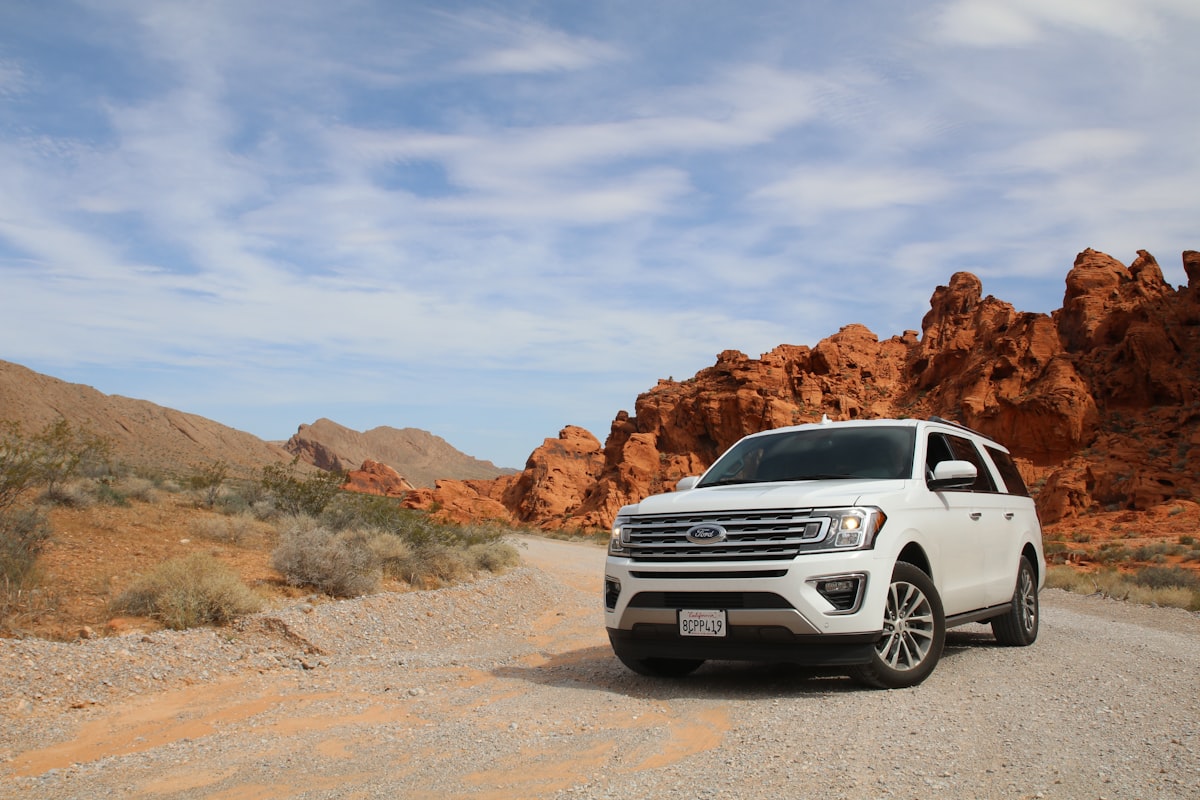
Vehicle on an open road where a compact roadside emergency kit would be useful
10 items 4 roles Seasonal check

Utility

HERCULES Paracord

Utility cord earns a permanent spot in the vehicle kit: tie down a loose panel, rig a tarp, bundle gear, replace a broken lace, or secure a warning marker.

Battery

NOCO Boost Jump Starter

A compact jump pack helps with one of the most common road problems and doubles as backup USB power when the vehicle battery is not an option.

Tires

Portable Tire Inflator and Gauge

Inflation plus a simple pressure gauge can turn a slow leak into a controlled drive to service instead of a tow.

Visibility

Reflective Triangles and Safety Vest

Set visibility before opening the hood. Triangles and a vest give approaching drivers more time to react, especially at night or in bad weather.

Light

Sofirn SC31T Tactical Flashlight

A real flashlight preserves phone battery and gives you a grippable, weather-ready light for tire checks, engine bays, and dark parking lots.

Medical

Vehicle First Aid Kit

Keep gloves, gauze, tape, bandages, antiseptic wipes, pain reliever, and personal medication where a passenger can reach them quickly.

Warmth

Emergency Blanket or Bivvy

Warmth is the difference between an annoying delay and a dangerous wait. Store one per regular passenger, plus hand warmers in cold climates.

Hydration

Water and Shelf-Stable Snacks

Add bottled water or emergency pouches and simple calories. Rotate them before heat, freezing, or age turns supplies into cargo clutter.

Repair

Gloves, Duct Tape, and Multi-Tool

Protect your hands first, then improvise. Tape, pliers, a blade, and cord solve more small roadside problems than most bulky specialty tools.

Selection notes

Roadside gear should support fix, wait, and signal

A permanent vehicle kit needs more than product picks. It needs zones, maintenance, and a plan for when repair is not safe.

Product comparison

RolePrimary itemBest scenario
SignalTriangles, vest, whistle, and light.Highway shoulder, night rain, or low-visibility breakdown.
FixJump starter, inflator, gauge, gloves, and multitool.Dead battery, low tire, or small non-engine repair.
WaitWater, calories, blanket, meds, and phone power.Storm closures, tow delays, remote roads, or passenger comfort.
SeasonalScraper, traction, poncho, shade, and extra water.Weather-specific travel where generic kits fall short.

Use-case scenarios

In a dead-battery scenario, a jump pack is faster than waiting for a helpful stranger and safer than positioning another vehicle in a cramped lot. In a flat-tire scenario, the inflator buys time only if the tire holds air; if the sidewall is damaged, visibility and calling for help matter more. In a winter closure, the repair tools may never leave the bin while blankets, calories, and battery power become the important supplies.

Passenger needs change the kit. Children need snacks, wipes, warmth, and comfort items. Older adults may need medication timing and a way to keep warm without walking. Pets need water, leash, and a plan for shelter rules. A good vehicle kit supports the people in the car, not just the car itself.

Storage and inspection notes

Keep immediate safety items reachable from the cabin: vest, light, phone cable, medical pouch, and whistle. Store heavier repair items in the cargo bin. Inspect the kit at tire-rotation intervals or oil changes so it becomes part of vehicle maintenance. Recharge lithium packs, check the spare tire, and confirm the jack, wheel lock key, and compressor are still where they belong.

When to stop fixing and start waiting

A roadside kit should not encourage unsafe repairs. If traffic is close, visibility is poor, weather is severe, or the vehicle is in a blind curve, move people to the safest available position and call for help. A tire inflator and jump pack are useful only when the vehicle is stable, the driver can work away from traffic, and the problem is actually minor. The kit supports judgment; it does not replace it.

For families, the waiting layer is often more important than the repair layer. Water, warmth, medication, phone power, and a calm seating plan keep passengers safer while help is delayed. In winter, staying with the vehicle is usually safer than walking unless shelter is clearly close. In summer, shade and hydration can become urgent quickly. Build the kit around the people first.

Final selection rule

Use the item only if it passes three tests: it solves a likely scenario, it can be used under stress, and it can be maintained without special effort. Gear that requires rare batteries, confusing setup, fragile packaging, or perfect conditions should be staged elsewhere or skipped. This rule keeps the page focused on practical preparedness rather than collecting products for their own sake.

For product recommendations, that also means the product has to match the role described on the page. A cheaper item is not better if it fails early, and a premium item is not better if it adds weight, complexity, or features that do not matter in the actual emergency.

Related guides

For the non-product planning layer, read the vehicle readiness guide, the navigation and communication guide, and the shelter and warmth guide.